
Introduction
When I first built sysinformer, my goal was simple: make it easier to get system information and status without memorizing a bunch of cryptic commands or sifting through verbose outputs. The Python version worked well enough for my needs, but it had one big limitation—portability....

Introduction
When it comes to running a homelab, sometimes all you need is a straightforward way to know when your apps are down—no bells, no whistles, and definitely no complicated configuration files. That’s exactly why I built PingPulse.
The Problem with Over-Engineered Monitoring
My jour...
My ZSH Dev Setup
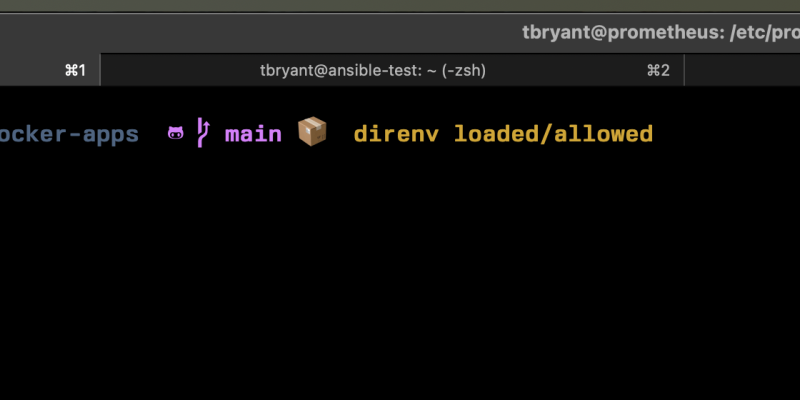
As a technologist who values both efficiency and customization, I've evolved my ZSH setup from using Oh-My-Zsh to a more streamlined, modular configuration. While Oh-My-Zsh is fantastic for beginners, I found it somewhat bloated and occasionally slow. This post details my current...
Summary
Backing up your MySQL database regularly is important to protect against data loss. I use this Bash script to automate the backup process and make it easier to keep my database backed up regularly. The script creates a backup of all databases and compresses it into a zip file. It also dele...

Summary
Pi-Hole is a popular open-source network-level advertisement and internet tracker blocking application. It is designed to run on a single device, such as a Raspberry Pi, but many users may have multiple Pi-hole instances for redundancy and scalability purposes. To ensure that these instan...